Action scenes are difficult to write.
The main problem is speed: most of us watch action films where fists are flying, the camera is cutting, and the choreography is fast and fluid. Because it’s visual, we can usually keep up (when the action is well-directed, at least).
But in prose, speed becomes your enemy.
Trying to recreate cinematic momentum often results in a mush of limbs, vague verbs, and “he punched/he blocked” repetition. The reader doesn’t feel like they’re in the fight. It gets boring quick.
So what do you do? Slow everything down? Write a slow-motion Zack Snyder set piece on codeine?
Kind of. But not really.
You don’t just slow time, you change focus.
In a novel, the fight isn’t about external choreography. It’s about inner shifts. Thought. Instinct. Memory. Pain. The fight happens in the body and in the head, and your job is to sink the reader into both.
But before we get to that, let’s provide a frame for writing these scenes.
One day a long time ago, my friend John Skipp was hosting a class on Litreactor about how to write action. I asked him about it, and he told me the major secret. While unsuccessful literary action scenes mimic film, successful ones mimic comic books.
“Don’t think in moving scenes,” he told me. “Think in panels.”
Now that we have that out of the way, back to shifting your focus. Great action writing isn’t about what happens, but rather what it feels like to be inside the happening.
The actual action of an action scene is necessarily going to be short. Somebody gets stabbed or shot or blown up and we’re on to the next thing. You’ll notice in all the best action books, there are paragraphs and paragraphs devoted to the setup of the scene, rather than the violence itself.
Put your reader in your hero’s shoes. Remind them of the stakes at all times. Show the reader how fucked your hero is.
Then, and here’s the fun part, explain to them how they get out of it.
I believe that the novel’s major strength is the digression. And you should absolutely 100% be using Dragon Ball Z style digressions all the time. Get into as many characters’ heads as possible and allow the reader to understand why they’re doing what they’re doing. Turn it into a chess match.
Now that I think about it, anime kind of does this already. Again, that DBZ influence. But we’re able to hear characters’ thoughts: “If I utilize Sparkling Judas technique here…no, he’s too fast. His Ten Thousand Heart Fist counter will beat that every time. But wait…I notice that he’s favoring his left leg. An old football injury?”
THIS is what people are actually looking for in an action scene: strategy. Not just the raw application of violence.
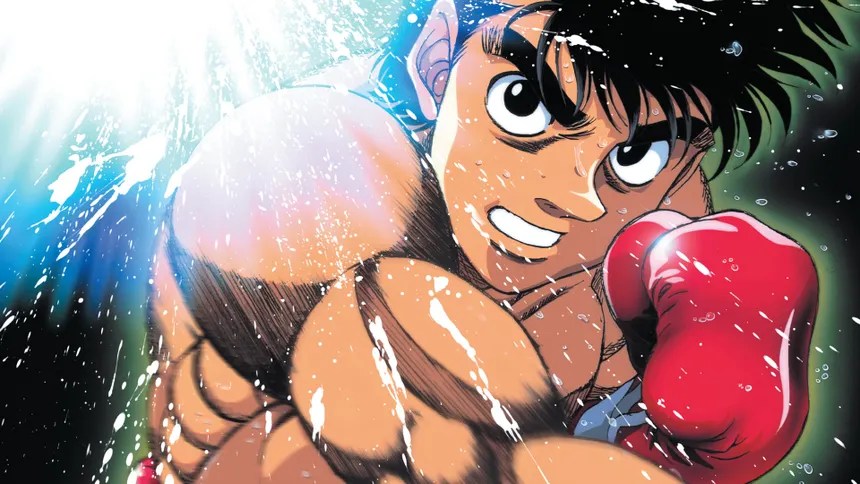
Matter of fact, I have an anime homework assignment for you. The best example I can think of for this kind of thing is the boxing anime Hajime No Ippo! The fights take forever, and they are wayyyyy slowed down. You’re in every character’s head, and you’re given their exact thoughts and strategies in real time.
To wrap up: think in panels, not film, get inside the character’s body, get inside the character’s head, and make sure that you’re clearly articulating the space, the stakes, and shifting advantages.
 Ronin trash
Leave a comment